
ZEST LIFE'S GUIDE TO
Wild Swimming in Norway
DISCOVER
Norway’s Fjords, Lakes and Mountain Rivers
Norway offers wild swimming on a grand, glacial scale: fjords carved deep into rock, lakes held in high basins, and mountain rivers that thread through birch forest before widening into cold, clear pools. For outdoor water swimmers, the variety can feel almost endless, from sheltered sea swims among inner islands to still freshwater tucked above the tree line.
In Fjord Norway, the landscape leans into drama. The Geirangerfjord and Nærøyfjord sit within a UNESCO World Heritage listing, recognised for their exceptional scale and the archetypal fjord scenery they represent.
What often makes Norway especially inviting is the cultural and legal framework around being outdoors. The public right of access, known as Allemannsretten, includes the freedom to swim in uncultivated land across much of the country, as long as you move respectfully and follow local guidance.
Norwegian water tends to stay cold, even when the light stretches late into the evening. That first immersion can bring a sharp intake of breath, then a settling, steadier rhythm once you slow down and let your body catch up. With gradual acclimatisation, clear entry and exit points, and warm layers ready for the moment you step out, wild swimming here can become a simple, powerful practice for calm, clarity, and a grounded kind of courage.
Norway’s Landscape of Water
Norway’s water map is shaped by ice and time. Norwegian fjords cut deep into the coastline, reflecting steep rock and shifting cloud. Inland, lakes in Norway range from broad, accessible basins to small, high tarns hidden in forest. Rivers braid through valleys and farmland, giving you options for freshwater swims that feel more playful than performance-driven.
Even urban areas can lend themselves to a natural dip. Oslo often surprises visitors with how close the water sits to daily life, and spots around the Oslo Fjord and Tjuvholmen may suit a quick, refreshing swim between city plans. Further north, cold water and big skies sometimes align with the Northern Lights, while summer’s midnight sun can stretch a simple evening swim into something that feels almost suspended outside time.
From Scandinavia’s mountains to open beaches like Sola Beach, and from Senja Island to the far reach of Spitsbergen, the range is wide. You might end up in inland favourites like Fyresdal, or stumble across community-loved water in places like Verdalen, where locals often treat a swim as part of the day rather than a special occasion.
The Stavanger region and the Jæren beaches
This corner of Norway often feels like a fast transition between textures. One minute you are in streets and harbours, the next you are standing on open sand with wind pushing salt into your mouth. The swimming here tends to suit people who like the honesty of the North Sea, plus the strange comfort of knowing there is more coastline than you could cover in a single trip.
The wider coastal stretch is known as Jærstrendene, running from Tungenes down to Sirevåg, and it is often described as a mix of long sand beaches, pebble sections, and moraine coast. A lot of this coastline sits within a landscape conservation area, with additional protections in parts for plant and birdlife, which gives the whole place a more “watch your step, look up, stay present” feel. The area has also been recognised as a Mission Blue “Hope Spot”, which adds a useful layer of context when you are writing about Norway as a destination that takes its coast seriously.
For swim-day variety, Solastranden is a natural anchor point, and it links into a simple coastal rhythm of walk, dip, warm up, repeat, including a five-kilometre coastal walk southwards to Vigdel. Beyond that, the coastline breaks into familiar local favourites such as Borestranden, Orrestranden, Refsnesstranden, and Holmasanden, each with slightly different feel underfoot and in the water.
Senja and the Arctic edge
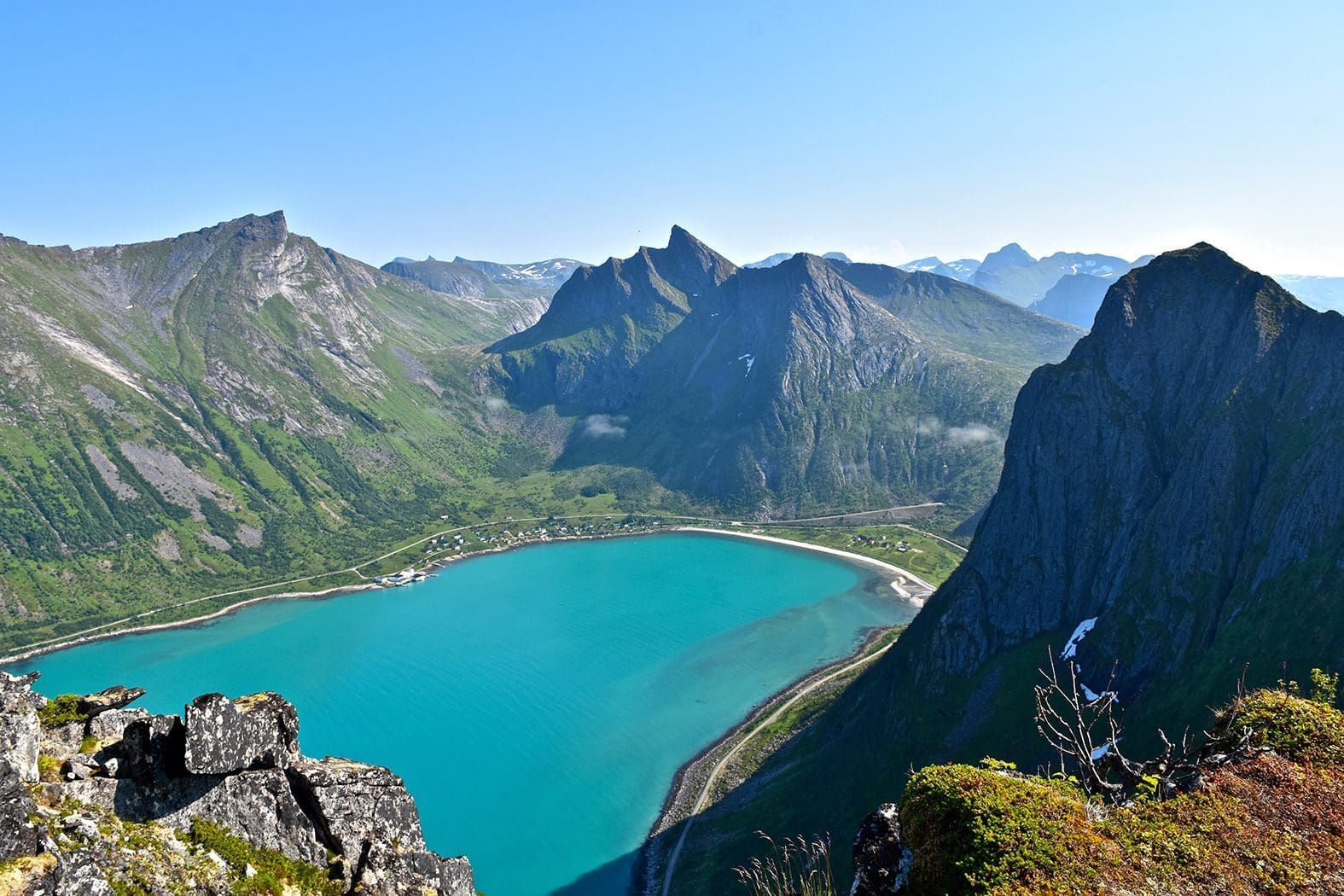
Senja tends to land like a contrast you can feel in your body. It is often described as having gentler, greener inland landscapes paired with a wild, exposed coastline, and it is commonly referenced as Norway’s second-biggest island. That mix matters for swimming, because it gives you two moods in one place: sheltered water that can feel surprisingly calm, and open edges where the sea looks bigger, darker, and more serious.
A good way to picture Senja is as a chain of small, characterful places stitched together by fjords, bays, and fishing culture. Mefjordvær, Bøvær, Gryllefjord, and tiny Husøy each bring their own sense of scale, and that in turn affects how a swim day feels, from quiet fjord-side dips to bright, beach-style swims. The island also has those moments where the landscape does the talking for you, like the views around Bergsbotn looking into Bergsfjord, where water and peaks sit in the same frame and a short swim can feel oddly cinematic.
If you want destination-level structure to hang the story on, the Norwegian Scenic Route Senja is a strong narrative backbone. It links the outer coast experience and is connected by ferries, including Brensholmen to Botnhamn, and Andenes to Gryllefjord, which is useful when you are describing Senja as part of a wider Norway itinerary rather than an isolated detour.
Lakes, fjords, and rivers: the three Norwegian swim worlds
Fjords
A fjord is a long, narrow arm of the sea that reaches inland, formed when the ocean floods a valley carved by glaciation. That glacial origin is what often gives fjords their signature look and feel: steep sides, deep water close to shore, and a sense of scale that can make even a short swim feel cinematic.
What makes fjords distinct compared to many coastal swims elsewhere is that they are not simply “pretty inlets”. They are drowned glacial valleys, and that tends to shape everything: the way cliffs rise directly out of the water, the way waterfalls and rivers feed into the saltwater, and the way the landscape can shelter sections of water from open-ocean swell. In parts of western Norway, the fjord scenery is internationally recognised, including the UNESCO-listed Geirangerfjord and Nærøyfjord, noted for their combination of mountains, waterfalls, rivers, and glacial features.
If you want a fjord region that blends iconic scenery with a broader travel base,
Hardangerfjord is often positioned as a gateway area for the western fjords, with villages, waterfalls, and easy access into bigger landscapes.
Lakes
Norway’s lakes often feel like the quiet counterweight to the coastline. They are frequently shaped by glaciation, which shows up in the clean lines of the shoreline, the steepness of surrounding slopes, and the way the water can shift from pale, mineral blue to near-black depending on depth and light.
At one end of the spectrum sits Lake Mjøsa, which is often described as an “inland sea”. It has the scale to hold long horizons and soft weather, and it also has a cultural fringe of towns, farmland, and food experiences that make lake days feel like part of a wider Norway trip rather than a single swim stop.
Then there are the dramatic deep lakes that behave almost like fjords, just inland. Hornindalsvatnet is a good example: it is cited at 514 metres deep, and is often referenced as Europe’s deepest lake. That depth changes the atmosphere. Even on still days the lake can feel weighty and opaque, with mountains tight to the waterline and a sense of “drop” that is unusual in many other freshwater destinations.
Higher up, the mountain lakes bring a different kind of colour and clarity. In Jotunheimen, the plateau roads and ridgelines pass water that looks painted in from another palette, including the emerald tones of Gjende. These are the lakes that tend to make people stop mid-journey, not because they are “on the way”, but because the landscape and water feel inseparable.
Rivers
Norwegian rivers are the movement lines of the country. They stitch together high ground, forests, farmland, and fjords, often changing character several times in a single valley. In the west, that story can be especially visible: the Geirangerfjord and Nærøyfjord UNESCO landscape is described in terms of sheer walls, waterfalls, and free-flowing rivers running through forest towards glacial lakes, glaciers, and rugged mountains.
Inland, the rivers often become valleys you can travel with, where water and human life sit closer together. Some of the most storied river corridors are the salmon rivers, with names that come up again and again in Norway’s outdoor culture such as Alta River, Gaula River, Namsen, and Orkla. Even if you are not travelling for angling, these valleys can feel distinctly “Norwegian” because the river is treated as a central feature of place, not just scenery.
Then there are the high-energy rivers that cut through gorges and drop into pools, giving the landscape a more kinetic feel.
Sjoa River is often described as running from the mountain areas around Jotunheimen through lakes, valleys, gorges, and waterfalls down towards Gudbrandsdalen.
Read more about swimming in Norway
Norway’s wider nature experiences
Norway’s best nature experiences often stretch beyond the minutes you spend in the water. A swim can become the hinge in a wider day outside, where walking trails, slow lunches, and long pauses at viewpoints settle into something that feels quietly restorative. If you are planning a trip around wild swimming, it can help to think in layers: the landscape you move through, the water you enter, and the calm you carry away afterwards.
In mountain areas, the scenery has a way of changing your pace. Lakes and rivers appear beside footpaths and valleys, and outdoor adventures can feel grounded rather than rushed. There is often a particular emotional texture to this kind of travel, that gentle mix of effort, cold water, and relief that arrives when you realise you have stopped thinking about your inbox.
It is also a place where small moments can feel surprisingly vivid. Wildlife encounters at the water’s edge, seabirds skimming low, fish flickering beneath the surface, or the hush that falls when the wind drops, can make the day feel bigger than the swim. If you love noticing detail, Norway lends itself to wildlife photography in the margins, when you are waiting to warm up again and the light shifts across the water.
You may also like these Zest Life guides: Zest Life’s wild swimming hub and the Lake District wild swimming guide.
Eco-Tourism and Conservation
Norway has a strong reputation for nature-led travel, and eco-tourism Norway often shows up in simple, practical ways. The official tourism body positions green travel Norway around making lower-impact choices, including using eco-certified providers and thinking carefully about how you move through a place. Visit Norway: Green travel
A key part of the context is access. The Norwegian right of access, known as Allemannsretten, is commonly described as a legal framework that supports freedom to roam in uncultivated land, paired with responsibilities to behave considerately. That cultural baseline can make responsible tourism Norway feel tangible. You are often welcome in wild places, and you are expected to treat them with care. Visit Norway: Right of access
Many swimming locations sit close to protected landscapes, where habitat and season matter. Norway’s protected areas guidance highlights both conservation and respectful use, including consideration for plants and animals. It is an important backdrop for nature reserves and for travellers drawn to wildlife tourism Norway, because the same shorelines that feel inviting can also be nesting or breeding areas.
The Community Spirit
Norway can feel wild, but it rarely feels disconnected. A wild swimming community often sits quietly in the background, sometimes through informal meet-ups, sometimes through organised routines that are as much about connection as they are about the swim.
In many places, swimming fits into ordinary life. You see familiar faces at the same entry point, a short chat, then that shared moment of stepping into cold water together. Swimming groups and low-key community events can give a destination its warmth, the sense that the water is lived with, not just visited.
Events and Festivals
Norway’s open water scene includes both formal sport and more celebratory gatherings. Swimming events Norway can range from organised races to community swims that mark the seasons.
Open water has a formal home through the national federation, and the Norway swimming federation publishes an open water hub with a term list used by clubs to add competitions. Norges Svømmeforbund: Open water term list
At the competitive end, larger fixtures such as Norwegian swimming championships help position Norway as a serious swimming nation, not just a scenic one. Alongside these, local swimming festivals Norway and seasonal mass dips can feel like the social heartbeat of the water, where the event is as much about being outside together as it is about distance.
Gear That Helps
Norway’s conditions are honest, and that often shapes what people pack. The right swimming gear can make the day feel smoother, especially when the air is cool and the water stays bracing.
Basics like swimwear, goggles, and swim caps keep things simple. In colder months or in northern regions, extra kit may become less about performance and more about staying comfortable enough to enjoy the place rather than rushing the experience.
Some swimmers bring Flippers to make lake or fjord swims feel playful and efficient. Others use buoyancy aids in bigger landscapes to keep the mind calmer, particularly where water is deep and dark and the shoreline drops quickly.
Facing Swimming Challenges
Norway’s geography naturally lends itself to personal milestones. Swimming challenges can grow out of place rather than ego, a lake crossing that feels like a line drawn through stillness, a sequence of fjord dips during a road trip, or a season-long commitment to returning to the water again and again.
For those who enjoy structure, the culture of swimming competitions can add focus, and many swimmers link trips with training blocks for endurance swimming or triathlon swimming.
What often makes challenge here feel different is the context. Even when the effort is hard, the setting can give something back, a sense of scale, a clean kind of concentration, and that quietly fierce satisfaction that lingers long after you have dried off.
Upcoming RETREATS
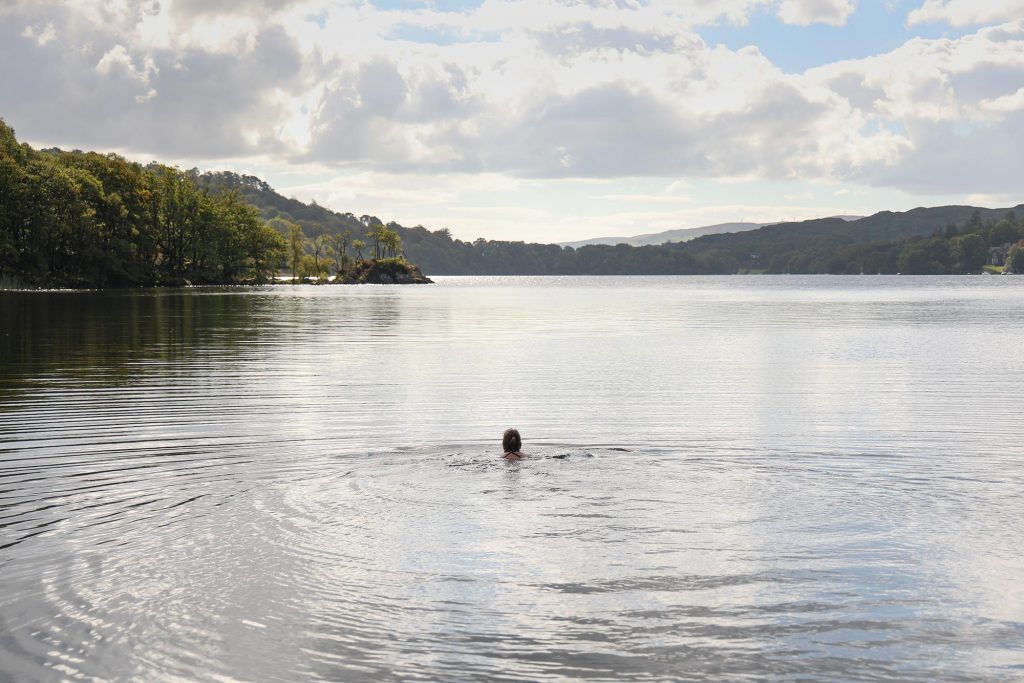
Yoga & Swimming
APRIL 24-27 2026
LAKE DISTRICT • 4 DAYS
4 SPACES AVAILABLE
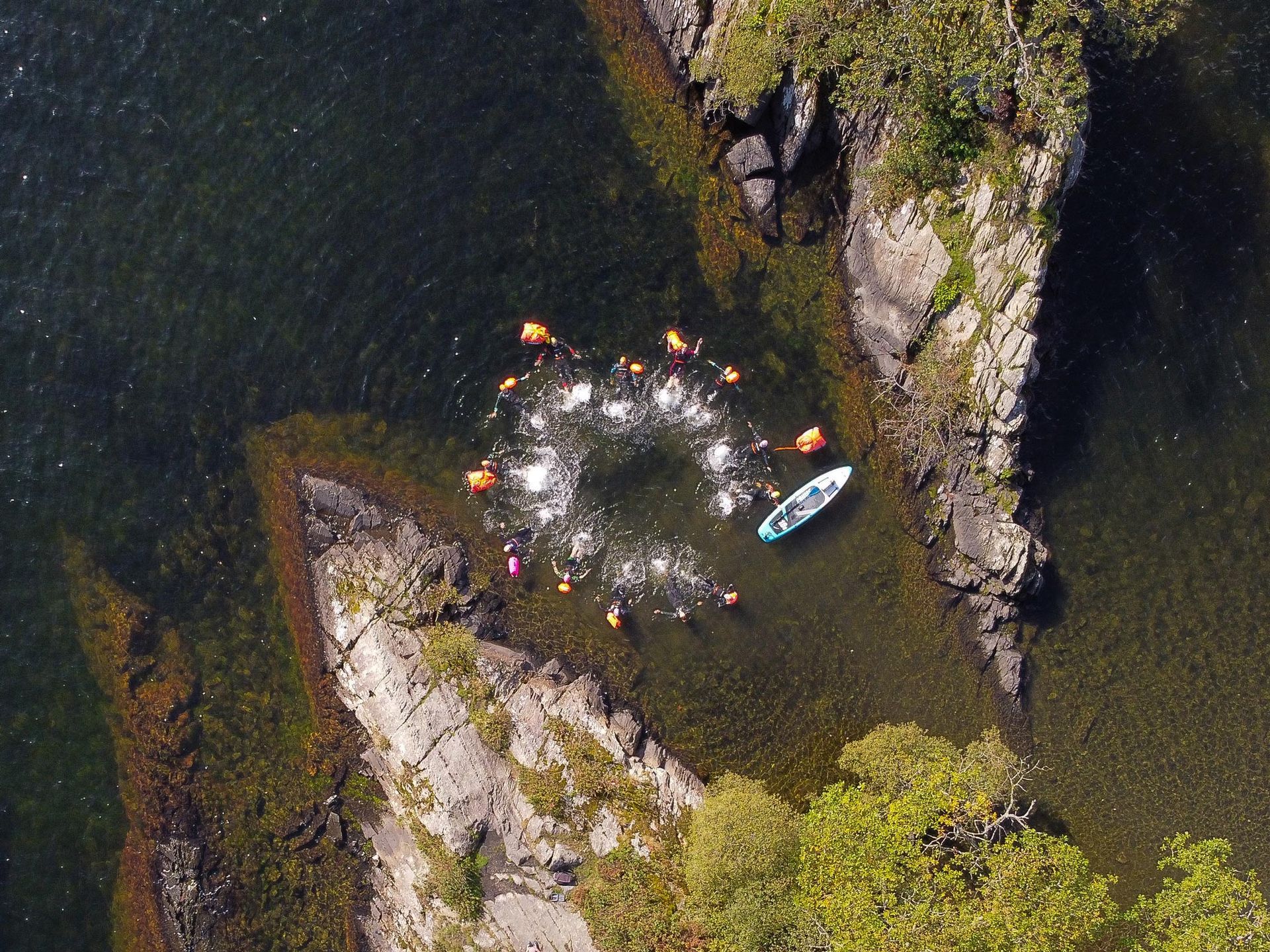
Yoga & Swimming
APRIL 27-1 2026
LAKE DISTRICT • 5 DAYS
3 SPACES AVAILABLE
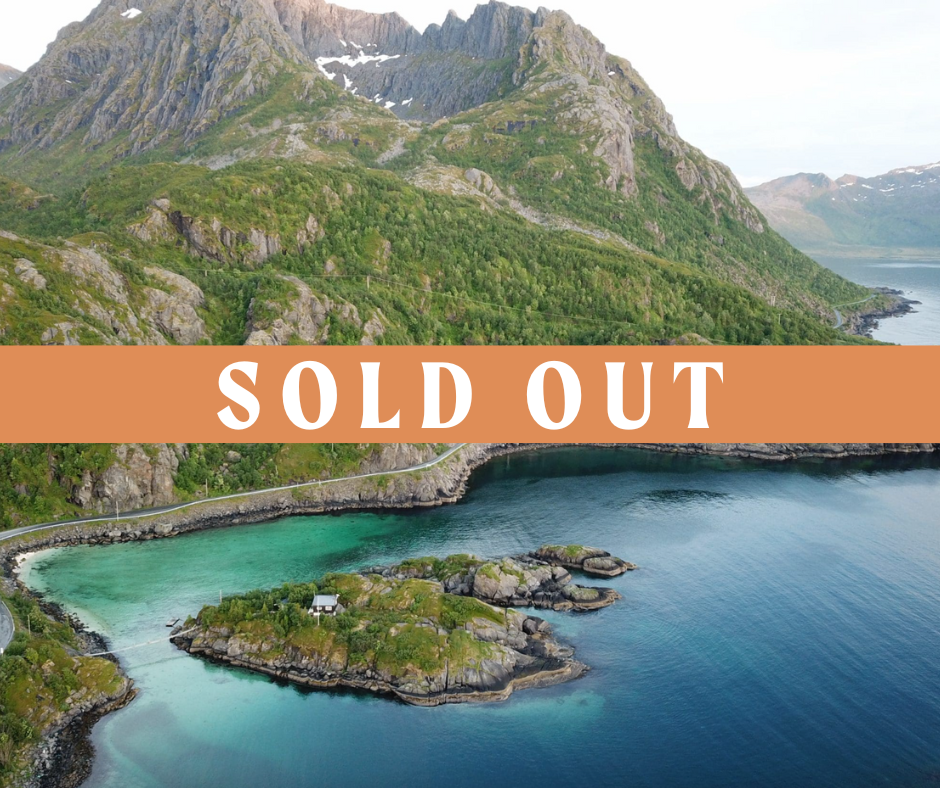
Yoga & Swimming
JULY 17-22 2026
NORWAY • 5 DAYS
SOLD OUT
Yoga & Swimming
AUGUST 7-10 2026
ANGLESEY • 4 DAYS
5 SPACES AVAILABLE
Yoga & Swimming
AUGUST 10-14 2026
ANGLESEY • 5 DAYS
4 SPACES AVAILABLE
Yoga & Swimming
AUGUST 14-17 2026
ANGLESEY • 4 DAYS
SOLD OUT
Yoga & Swimming
SEPTEMBER 25-28 2026
LAKE DISTRICT • 4 DAYS
3 SPACES AVAILABLE
Yoga & Swimming
SEPTEMBER 28-2 2026
LAKE DISTRICT • 5 DAYS
4 SPACES AVAILABLE
Wild Swimming Safety & Best Practice
Engaging in wild swimming can be a refreshing and invigorating experience, but it’s essential to prioritise safety. Understanding the risks and preparing adequately can make all the difference in enjoying the beauty of natural waters.
What is cold water shock?
Safe wild swimming requires knowledge, preparation, and respect for natural water environments. Cold water shock represents the primary hazard, occurring when sudden immersion in water below 15°C triggers involuntary gasping and hyperventilation. This physiological response can incapacitate even strong swimmers, making controlled entry essential.
How can I prepare for cold water swimming?
Acclimatisation should progress gradually, with initial exposures lasting only minutes before slowly extending duration as the body adapts. Swimmers should enter slowly, allowing breathing to stabilise before submerging fully, and never dive or jump into cold water without prior acclimatisation.
Water temperature monitoring helps swimmers make informed decisions. The Lake District's major lakes typically range from 4-8°C in winter, 8-15°C in spring and autumn, and 15-20°C during summer months. Smaller tarns and rivers often run several degrees colder.
What safety gear should I use?
Wetsuit use remains a personal choice, with many wild swimmers preferring skin swimming to maximise sensory experience, though beginners might choose neoprene for warmth and confidence. Regardless of choice, swimmers must exit before excessive shivering begins, as this indicates dangerous core temperature drop. Post-swim warming protocols include immediate drying, multiple warm layers including hat and gloves, and warm (not hot) drinks. The "afterdrop" phenomenon means core temperature continues falling for 15-30 minutes post-exit, requiring careful management.
Is it safe to swim alone?
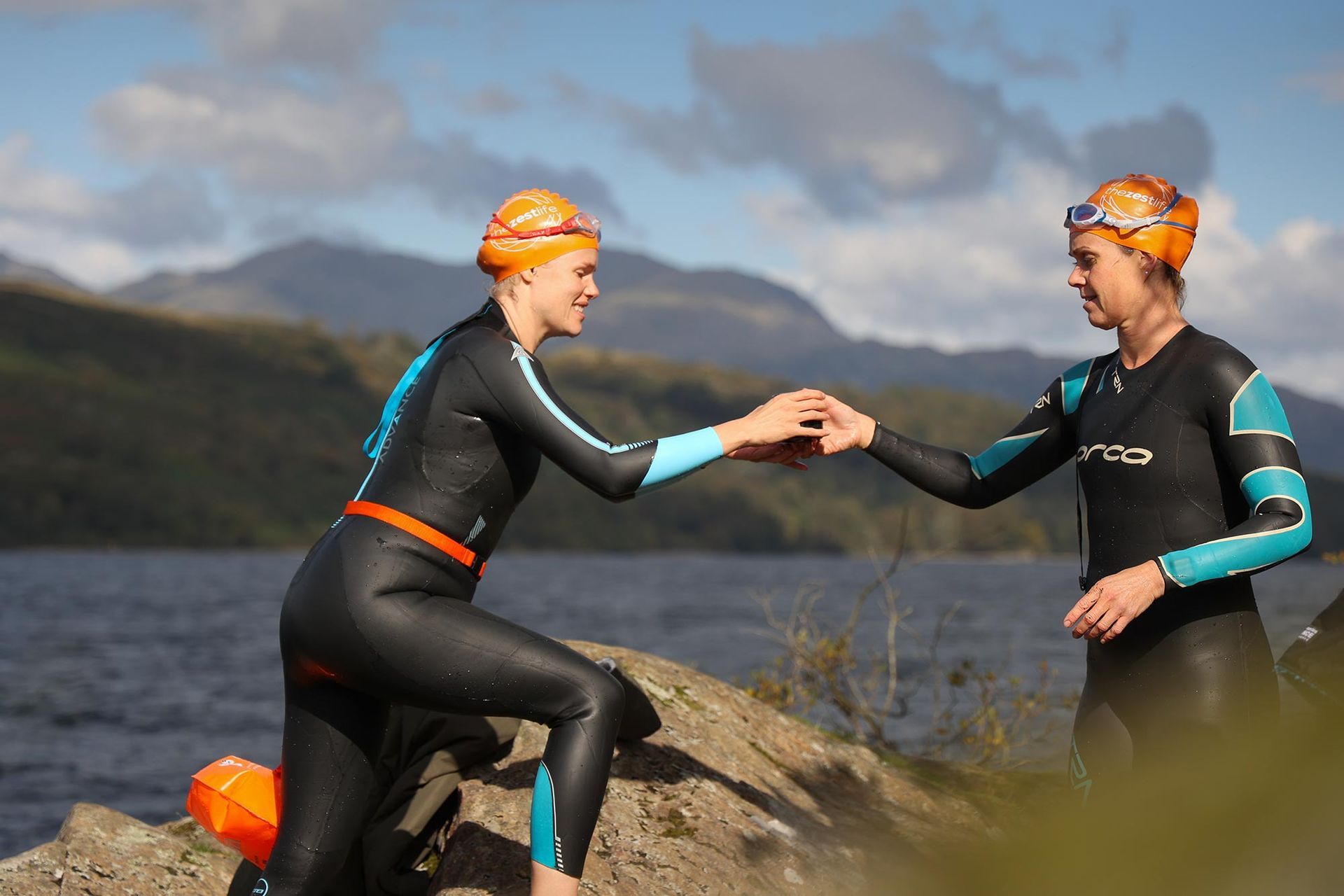
Visibility equipment including bright swimming caps and tow floats ensures other water users can see swimmers, while also providing flotation for rest breaks. Swimming with companions provides mutual safety monitoring, though solo swimmers should inform others of their plans and expected return time. Understanding local hazards including boat traffic, submerged obstacles, and seasonal water level changes prevents accidents.
How can I be environmentally responsible while swimming?
The Lake District maintains bylaws regarding swimming in certain areas; respecting these regulations alongside basic water user courtesy ensures positive relationships between swimmers, boaters, and riparian landowners. Responsible wild swimmers also practise environmental stewardship, removing any litter encountered and avoiding disturbance to nesting birds or spawning fish during sensitive seasons.
Stay Safe, Swim Smart
By following these essential safety guidelines, you can enjoy the thrill of wild swimming while ensuring your well-being and that of the environment. Always prioritise safety and respect for nature.
Experience Wild Swimming and Yoga Retreats in Norway with Zest Life
Zest Life curates exceptional wild swimming and yoga retreats in Norway, blending expert teaching in both practices with beautiful accommodation and nourishing plant-based cuisine. Our Norway retreat takes place on Senja Island, a remote gem in Scandinavia’s Arctic Circle, where rugged mountains meet sheltered fjords and wild, white-sand beaches.
This 5-day experience is designed around the rare atmosphere of the midnight sun, when golden light lingers late into the night. Days often begin with a grounding vinyasa yoga practice to warm the body and steady the mind, followed by time outdoors exploring Senja’s coastline, peaks and water. Evenings tend to slow the pace, with restorative yoga to support recovery and help you fully unwind.
You’ll stay in a beautifully designed small hotel on a tranquil harbour in an old fishing village, with a private yoga space overlooking the fjord and a dedicated dining space for our group. Apartments are en-suite and arranged for comfort, connection and quiet, with expansive fjord views that make the setting feel instantly spacious.
If Norway has been calling you, you can explore the full retreat details here: Yoga & Wild Swimming in Norway 2026. For practical questions, see FAQ’s.
WHAT'S INCLUDED -
- Daily yoga sessions (vinyasa flow and restorative practice)
- Guided wild swimming experiences with qualified coaches
- Luxury en-suite accommodation
- Plant-based meals using seasonal, locally-sourced ingredients
- All yoga equipment and safety equipment provided
- Optional massage treatments
- Small group sizes ensuring personalised attention
- 15 years of retreat expertise
ready to dive in?
Book Your Norway Adventure
Reserve your place on a Zest Life Lake District yoga and wild swimming retreat today. Experience the exhilaration of swimming in pristine mountain waters, the grounding focus of daily yoga practice, and the deep restoration of immersion in England's most beautiful landscape.
Got any queries
Just ask us
We’re here to help, sort booking or simply answer any questions you have.
Call & WhatsApp : 07424 410 133
Email : info@zestlife.co.uk
Keep up to speed