Alan Lowbridge • 15 April 2019

Happy new year

Happy New Year to you all!


We are so excited for what 2025 has in store. A new year means fresh beginnings, and we have something special coming your way. Stay tuned for our new brand, an inspired website, exciting online offerings, and a whole new look for our retreat experiences. It’s going to be an amazing year of transformation!

But for now, I just want to wish you all a marvellous 2025. May it bring you joy, peace, fun, and adventure.


Personally, I’m glad to see the new year. Last year was tough in many ways, but the more I talk to friends, colleagues, family, and even strangers, the more I realise that no one has it all good. If they say they do, they’re probably lying. There’s always at least one part of life that could use a little tweaking—a challenge in finances, relationships, health, work, family, or friendships. No one is exempt from struggles, because life isn’t meant to be perfect. It’s an ebb and flow, just like the seasons. There’s no perpetual summer.


And that’s part of what makes life so beautiful—the challenges help us grow. They push us to evolve, and that’s why we’re here.

I sometimes think of life as being divided into thirds. One third of the time, things are going great. You’re high as a kite, loving life, everything is falling into place—maybe a new job, a great relationship, or just feeling on top of the world. The second third might feel a bit blah. You’re in a bit of a rut—fitness is stale, work feels uninspiring, or you just can’t find your spark. The final third tends to bring some drama or a challenge—there’s a problem that needs solving, something to let go of, or some deep struggle to face.


But here’s the key: life is never all bad. Just like the sun follows the rain, joy always follows pain. So as we step into 2025, let’s remember that we are all in this together. Stop comparing yourself to others, and take comfort in the fact that no one, as far as I know, has figured out how to escape the lows of life.


So, do you. Stay in your lane. Stay focused. Stay peaceful. Stay vibrant. And trust that all shall be well.

Happy New Year to you all!
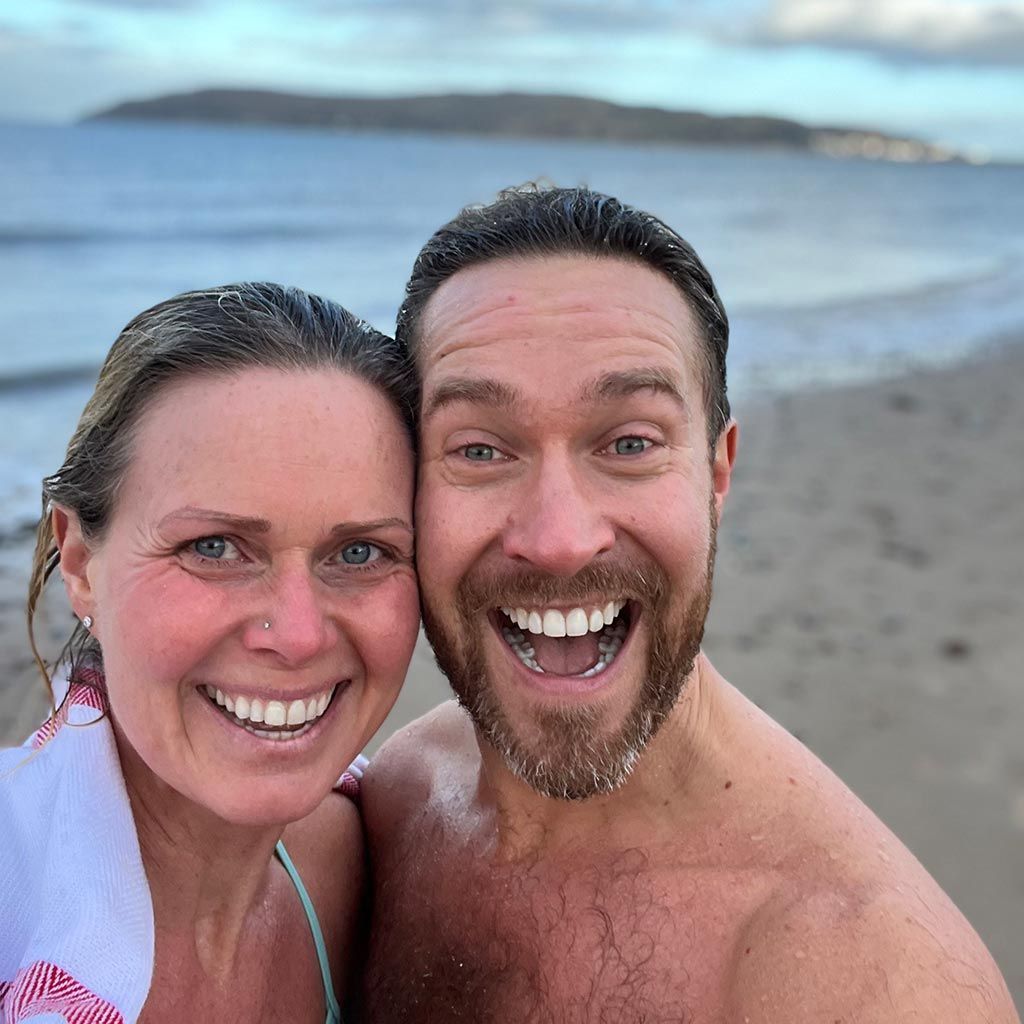

A man and a woman are posing for a picture on the beach.
by Kristen Lackajis 3 December 2025
Brimming with flavour, this sweet and savoury miso roasted butternut squash is the ideal dish for a delicious winter feast.
by Laura Bell 27 November 2025
Fresh thoughts for Christmas
19 November 2025
In the relentless pace of modern life, we often wear busy-ness as a badge of honour. Our calendars are packed, our inboxes are full, and our minds are constantly whirring with to-do lists and responsibilities. We pour our energy into work, family, and social commitments, often leaving one crucial person overlooked: ourselves. The journey toward good wellbeing - a holistic state of physical, mental, and emotional health - can seem complex and intimidating. We read about intricate diets, intense exercise routines, and advanced meditation techniques. But the truth is, the most powerful and fundamental step is the simplest one: taking time for yourself. This isn't a luxury or an indulgence; it is the absolute foundation upon which all other forms of self-care and personal growth must be built. Why "Me-Time" is Non-Negotiable Thinking of "me-time" as selfish is a common misconception. In reality, it is a necessary act of self-preservation and rejuvenation. Imagine your energy and emotional reserve as a well. If you are constantly drawing water out for others without ever allowing it time to refill, the well will eventually run dry. When you are depleted, your ability to be a patient partner, an effective employee, or a supportive friend is severely diminished. Taking time for yourself is the conscious act of pausing the demands of the outside world and dedicating that space solely to your own needs. It is about shifting your focus inward, even if just for a few minutes. The Ripple Effect of Self-Connection When you prioritise this dedicated time, the benefits ripple out into every facet of your life: Stress Reduction: Stepping away from the constant noise allows your prefrontal cortex - the decision-making part of your brain - to rest. This pause can reduce levels of the stress hormone cortisol, leading to a calmer nervous system and clearer thinking. Problems that seemed insurmountable often become manageable after a period of quiet reflection. Emotional Regulation: When we are rushed and stressed, our emotions tend to be erratic and reactive. Time alone offers a chance to check in with yourself: How am I really feeling? What do I need right now? This awareness is the key to managing your feelings rather than letting them manage you. Increased Productivity: It may seem counterintuitive, but a short break can dramatically improve your performance. Taking time off allows for "diffuse thinking," where your brain makes connections and solves problems in the background. You come back to your tasks with renewed focus and fresh ideas. A Stronger Sense of Self: Constant interaction with others means we are often adjusting our behaviour to fit a social context. Solitude allows you to reconnect with your authentic self - your values, your dreams, and your genuine interests - free from external judgments or expectations.