
ZEST LIFE's GUIDE TO
Walking, Hiking and Yoga
DISCOVER
What Is Walking?
“I am alarmed when it happens that I have walked a mile into the woods bodily, without getting there in spirit… In my walks I would fain return to my senses. What business have I in the woods, if I am thinking of something out of the woods?”
Henry David Thoreau
Henry David Thoreau put words to an experience many people recognise. You can be out in the landscape, yet your mind is still back at the desk, still replaying conversations, still negotiating tomorrow. Walking becomes something deeper when it helps you arrive, not only physically, but inwardly too.
When you spend time on foot outdoors, attention often shifts from tight focus to a softer, wider awareness. Psychologists describe this as attention restoration, where natural environments hold attention gently rather than constantly demanding it. Studies testing this idea have found improvements in attention after walking in nature compared with more urban settings.
There is evidence that walking outdoors may support clearer thinking in a few different ways. Studies suggest that nature experiences can reduce rumination, the repetitive looping of thoughts that can leave you feeling stuck, particularly when the walk is long enough for the nervous system to downshift. And because walking frees up mental bandwidth, it can create the conditions for ideas to surface without being forced, which is one reason people often come back from the trail with a surprising sense of clarity.
On a hiking retreat, this is one of the quiet gifts of going device-light. Attention returns to what is actually here: footfall, weather, birdsong, the shape of the path ahead. That is mindfulness in its most practical form, not another task, just presence that arrives step by step.
If you want a deeper scientific lens,
Shane O’Mara’s 'In Praise of Walking' explores why walking may support brain health, mood, and thinking in a grounded, readable way.
The Health Benefits of Walking, Hiking & Trekking
Walking offers a rare combination: it can be gently accessible, and it can also be genuinely challenging. Over time, steady walking may support cardiovascular health, improve stamina, strengthen bones and connective tissue, and build resilient legs and hips without the impact of higher-intensity exercise.
Hiking and trekking bring added demands and rewards. Uneven ground asks more of balance and ankle stability. Climbs build strength and aerobic capacity. Descents train control and confidence, often in muscles that do not get used much in daily life. Many people notice that the body starts to feel more capable in small, useful ways: steadier on stairs, more comfortable carrying a bag, less fragile in the knees and lower back.
There is also the less visible benefit that people often come for, whether they name it or not: the way walking can soften stress. The combination of movement, daylight, and natural sound often supports a calmer baseline. You are still you, but less tightened around the edges.
OUR SWIMMING DESTINATIONS
NORWAY
ANGLESEY
NORTH WALES
Walking and Yoga: Complementary Practices
Walking and yoga support one another quietly and effectively.
Walking builds rhythm, stamina and grounded presence. Yoga builds mobility, strength, and the ability to meet sensation without immediately resisting it. Together, they can create a steadier relationship with effort and recovery.
Yoga also offers a practical counterbalance to the repetitive patterns that long days on foot can create. Tight calves, stiff hips, tired feet, and a slightly collapsed posture from carrying a daypack are all common. A simple, consistent yoga practice may keep the body feeling open and well-aligned, so the walking stays enjoyable rather than becoming something you endure.
Breath Awareness and Pacing
A good walking day rarely depends on pushing. It tends to depend on rhythm. Breath gives you that rhythm, and it is one of the simplest ways to stay steady when terrain, weather, or group pace starts to pull you off balance. When breath is calm, effort often feels cleaner. When breath becomes rushed, the mind often follows.
A practical approach is to treat climbs as a conversation with your breath rather than a test. Shorten the stride, soften the shoulders, and aim for a longer, quieter exhale. Many walkers find that counting steps can help on sustained ascents, for example inhaling for two or three steps and exhaling for three or four, then adjusting until it feels sustainable. The goal is not a perfect pattern, it is a pattern that keeps you moving without spikes of strain.
Breath also helps with transitions. After a steep section, take a minute of slower steps and deliberately lengthen the exhale. That small reset can bring heart rate down more efficiently than stopping cold, and it often prevents the “stop-start” cycle that makes a day feel harder than it needs to.
If wind, cold, or exposure raises anxiety, breath becomes your anchor. A slow exhale through the nose can signal safety to the nervous system. You may still feel the edge of effort, but it is less likely to tip into panic. Over time, this is one of the most useful skills you can build for longer routes.
Physical Preparation Through Asana
Walking is repetitive. That repetition can be soothing, but it can also create predictable tight spots: calves that feel like rope, hips that shorten, feet that ache, and a spine that gets a little compressed from carrying a pack. Yoga offers a way to keep the body open and resilient so that walking stays comfortable over multiple days.
The most helpful preparation often focuses on three areas: hips, ankles, and posterior chain strength. Hips that move well support a cleaner stride and reduce compensations through the lower back. Ankles that are strong and mobile help you stay stable on uneven ground. Glutes and hamstrings provide support around the knees, especially on descents where control matters more than power.
Pre-walk yoga usually works best when it is warm and practical: standing shapes, gentle lunges, calf opening, and a few rounds of balance work to wake up the stabilisers. Post-walk yoga tends to be slower and more restoring: longer holds, supported positions, and deliberate release of the tissues that have been working for hours.
If you only do a handful of poses consistently, make them the ones that protect your walking mechanics:
- hip flexor opening to counter long periods of stepping
- calf and ankle mobility to reduce tightness and improve stride comfort
- hamstring length and glute activation to support knees and pelvis
- gentle twists and chest opening to unwind the spine after carrying a pack
-
The aim is not flexibility for its own sake. It is functional ease, the feeling that the body is cooperating with the day rather than arguing with it.
Mindfulness and Present-Moment Awareness
Walking gives you mindfulness without needing a meditation cushion. The trail offers constant invitations back to the present: the sound of boots on gravel, the bite of cold air, the way light changes through trees, the small adjustments your body makes on uneven ground. You notice, you drift, you return. That is the practice.
One of the simplest ways to make this tangible is to choose a single anchor for a short stretch, then widen out. For five minutes, stay with footfall and breath. Then widen to sound. Then widen again to the broader field, colour, distance, movement, and weather. The mind still wanders, but it wanders inside a container of awareness rather than disappearing into planning and replay.
This is also why device-light walking can feel so different. When attention is not constantly pulled away, you begin to register what you would normally miss. Small details become satisfying. Silence stops feeling empty. The nervous system often downshifts, and the mind becomes less crowded.
Mindful walking is not about being calm all the time. It is about meeting what is here, including discomfort, without immediately tightening around it. On steep climbs, mindfulness is the choice to feel the breath, accept the effort, and take the next step. On descents, it is the choice to be precise and attentive rather than rushing. Over a day, those choices add up to something that feels quietly powerful: you are where your body is, and the walk becomes an experience rather than a blur.
Upcoming RETREATS
-
![]()
Yorkshire
DETAILS
MARCH 6 - 9 2026
YORKSHIRE • 4 DAYS
SOLD OUT
-
![]()
Yorkshire
JOIN WAIT LIST
MARCH 13 -16 2026
YORKSHIRE • 4 DAYS
SOLD OUT
-
![]()
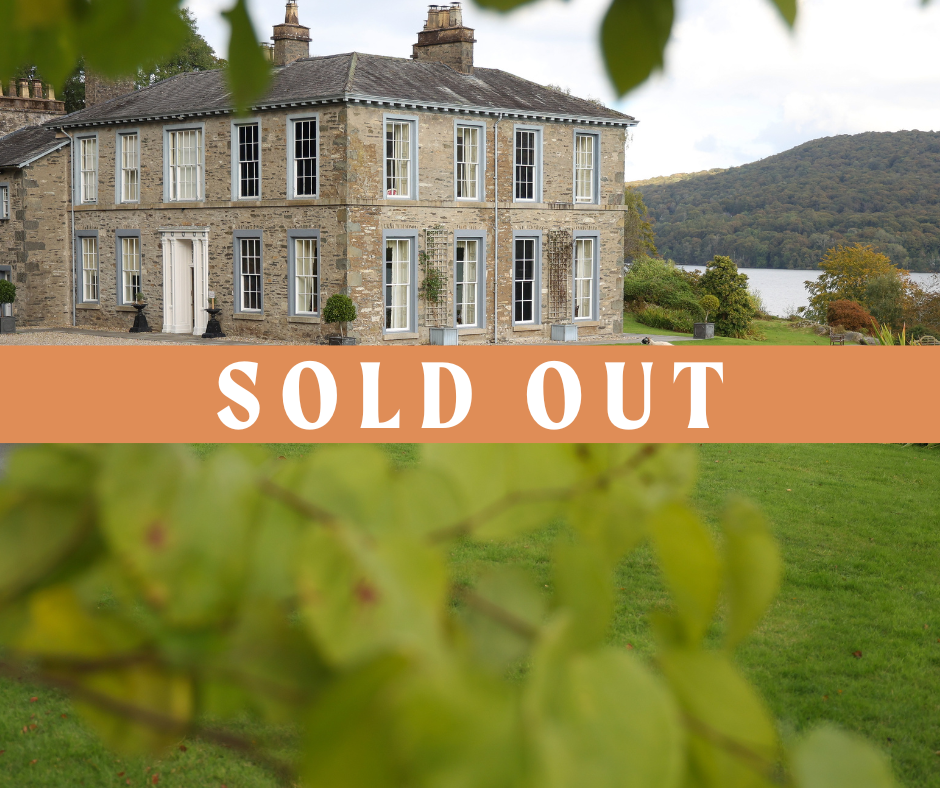
Lake District
DETAILS
MAY 1 - 4 2026
LAKE DISTRICT • 4 DAYS
7 SPACES LEFT
-
![]()
Lake District
JOIN WAIT LIST
MAY 8 -11 2026
LAKE DISTRICT • 4 DAYS
SOLD OUT


Further Information
The History and Cultural Significance of Walking
Walking has never been only a means of getting from one place to another. Across cultures and centuries it has been a way to mark seasons, reach safety, carry goods, meet others, and make meaning. Paths often begin as practical lines through a landscape, then slowly become cultural memory: routes repeated so often they shape stories, place names, and local identity.
There is also a long tradition of walking as a thinking practice. Writers, philosophers, artists and scientists have used walking to loosen thought and recover perspective. The steady pace seems to invite reflection without forcing it. You notice what you might otherwise miss, and the mind has space to connect ideas that felt jammed together indoors.
In Britain, this is intertwined with footpaths, commons, and the quiet social agreements that keep access possible. A public right of way is not only a legal concept, it is a cultural invitation to move through the world attentively, with respect for land and those who live and work on it.
Walking also holds a particular place in wellbeing culture because it feels honest. You feel weather. You read terrain. You adapt. There is little room for pretence, which can be surprisingly relieving. For many people, that simplicity is the point: fewer inputs, fewer roles, more reality.
Walking, Hiking and Trekking Equipment Guide
Good kit tends to do one thing well: reduce friction. It rarely makes a walk meaningful, but it can keep a day from becoming uncomfortable, distracted, or unsafe.
Footwear: fit first, features second
Footwear choice often depends on terrain, season, and personal preference, but fit tends to matter most. Heel lift and toe pressure commonly create blisters over distance. Many walkers find it helpful to test footwear on shorter routes, then build up to longer days. If you are between sizes, socks and lacing techniques may matter as much as the shoe itself.
Socks and blister care
A simple blister kit can be a quiet hero. Consider including:
- blister plasters or tape
- a small antiseptic wipe
- a tiny pair of scissors
- a spare pair of socks in a dry bag
Layering for changeable conditions
A practical layering approach often includes:
- a base layer that manages sweat
- an insulating mid-layer for stops and wind
- a waterproof outer layer for rain and exposure
Small add-ons can change comfort quickly: a warm hat, thin gloves, and a buff often earn their place in the bag.
Backpack and essentials
A comfortable daypack with a stable fit often makes a bigger difference than people expect. Useful essentials commonly include:
- water and food you can eat while moving
- a warm layer and waterproofs even if the day starts mild
- navigation suited to the route, plus a backup option
- headtorch
- basic first aid and blister care
- a power bank if you rely on your phone for safety or navigation
- a dry bag to keep essentials protected
Walking poles
Poles may reduce load on knees during descents and can help maintain rhythm on steep climbs. They can be particularly helpful on longer days, uneven ground, or when carrying a heavier pack.
Post-Walk Recovery and Comfort
Recovery tends to begin the moment you stop moving. The aim is simple: warmth, fuel, fluid, then gentle unwinding.
Warmth and dryness
Changing out of damp layers early often reduces that chilled, drained feeling later. Even in mild weather, wind plus sweat can cool the body quickly once you stop.
Eat before you feel empty
Post-walk hunger sometimes arrives late, and it can arrive as irritability. A small, steady recovery snack can help, especially something that includes both carbohydrates and protein.
Hydration without overdoing it
Sipping little and often usually feels better than trying to “catch up” in one go. If you sweat heavily, a pinch of electrolytes may help you feel steadier through the evening.
Mobility over intensity
Recovery yoga and stretching often works best when it is slow and unforced. Areas that commonly benefit after walking include:
- calves and feet
- hamstrings
- hip flexors and glutes
- lower back and gentle spinal rotation
- chest and shoulders if you carried a pack
Downshifting the nervous system
A walk can be mentally spacious, but the body may still hold activation from effort, weather, or exposure. A warm shower, a calm meal, and a short restorative practice often helps the system settle so sleep comes more easily.
Building a Sustainable Walking Practice
Sustainable walking tends to come from gradual progression rather than big efforts followed by long gaps. The body adapts well when the increases are small and consistent.
Build time on feet before intensity
Many people find it helpful to increase duration first, then add elevation, then add technical terrain. This reduces injury risk and builds confidence in a steady way.
Respect descents
Downhill walking often creates more soreness than climbs because it loads the legs eccentrically. Building strength in glutes and quads, and practising controlled pacing downhill, can make longer routes feel far kinder on knees.
Train the tissues, not just fitness
Cardio fitness can improve relatively quickly. Tendons, feet, and stabilising muscles often take longer to adapt. Consistent, moderate walking usually supports that adaptation better than occasional epic days.
A simple weekly structure
A sustainable pattern could include:
- one longer walk where you practise pacing and fueling
- one shorter walk focused on hills or briskness
- one gentle recovery walk
- a couple of short strength or yoga sessions for hips, calves, and core
Listen to “next day” feedback
How you feel 24 hours later can be a better guide than how you feel on the route. If soreness is sharp, joint-based, or persistent, it often helps to reduce load and build back gradually.
The Walking Community
Walking can be solitary and deeply social, sometimes within the same day. There is a particular ease to conversation side-by-side. Eye contact becomes optional. Silence becomes comfortable. People often speak more plainly when the body is moving and the mind is less defended.
Group walking can also be a gentle teacher. You learn pacing, route judgement, and how to move safely in variable conditions. A good group culture tends to normalise breaks, snacks, layers on and off, and checking in with each other without fuss.
For those newer to hiking or trekking, guided days can reduce cognitive load. You do not have to hold all the decisions in your head: navigation, timing, weather calls, route options. That support often frees people to notice the landscape and their own experience rather than worrying about getting it right.
There is also a quieter aspect of community: shared respect for paths, gates, and places. Good walking culture is often visible in small actions, letting others pass, closing a gate properly, giving livestock space, and offering a nod that says, we are both out here doing the same human thing.
Environmental Stewardship and Respect for Place
Walking is low-impact compared with many activities, but impact still exists, especially when paths are wet, popular, or fragile. The simplest principle is care without drama.
On paths and erosion
Sticking to established paths where possible often reduces widening and braiding. Cutting corners on switchbacks and steep tracks can accelerate erosion, even if it feels harmless in the moment.
Farms, livestock, and rural life
Respecting gates, keeping dogs under control where relevant, and giving animals space matters. Many walking routes pass through working land. Treating that with care keeps access and goodwill intact.
Wildlife and seasonal sensitivity
Ground-nesting birds and other wildlife can be sensitive to disturbance. Keeping noise low and avoiding unnecessary off-path wandering in protected areas can make a real difference.
Leave no trace habits
Practical habits tend to be simple:
- take all litter out, including food waste
- avoid loud music
- use toilets where available, otherwise plan ahead discreetly and responsibly
- keep group size appropriate for the environment and path width
Environmental respect often brings its own reward. When you move gently through a place, you often notice more of it.
The Future of Walking
Walking has become increasingly valued because it offers something many people are missing: uninterrupted attention, steady movement, and contact with weather and landscape. In a world of acceleration, walking feels like a return to human scale.
That renewed interest can be positive for rural economies and for personal wellbeing, but it can also create pressure on popular routes, parking, and sensitive habitats. The future of walking may depend on a few quiet shifts: spreading footfall across a wider range of routes, choosing seasons and times that reduce congestion, and keeping group sizes and behaviour respectful.
There is also a growing appreciation for walking that is not performative. Not every route needs to be measured, shared, and optimised. For many people, the deepest benefit comes when the walk is allowed to be simply what it is: a few hours of breath and footfall, where you are where your body is, and the mind has space to settle.
Walking Safety & Best Practice
Walking can feel wonderfully straightforward, but the outdoors is not a controlled environment. Most difficult moments on a route rarely come from dramatic accidents. They tend to come from small mismatches that compound over time: a forecast that shifts, a route that takes longer than expected, a missed turn in poor visibility, damp layers that slowly chill the body, or not enough food to keep energy steady.
Good safety is rarely about fear. It is about creating enough margin that you can enjoy the walk, make calm decisions, and stay comfortable even when conditions change.
What are the most common walking and hiking risks?
The most common risks are usually ordinary rather than extreme:
- Weather changes: wind, rain, and temperature drops can arrive quickly, particularly on higher ground
- Cold stress: getting wet, then cooling down when you stop, is one of the easiest ways to feel unwell outdoors
- Slips and falls: wet rock, mud, loose gravel, tree roots, and steep descents can be unforgiving
- Navigation errors: a small mistake early can become a big detour later, especially in mist or fading light
- Low energy and dehydration: under-fuelling often shows up as irritability, poor decision-making, and heavy legs
- Blisters and minor strains: small issues can become route-limiting over distance if you do not address them early
A useful rule of thumb is to treat small discomfort as information, not something to power through. Most safety problems are easier to solve when they are still small.
How can I prepare for a safe hike or trekking day?
Preparation is mostly calm logistics and honest self-assessment.
- Choose a route that matches the day: terrain, elevation, distance, daylight hours, and escape options matter more than ambition
- Check the forecast and the wind: wind changes perceived temperature dramatically, and it often drives risk on exposed ground
- Plan a turnaround time: decide in advance when you will turn back, regardless of how close you feel to the end
- Tell someone your plan if walking alone: route, start time, expected finish time, and what you will do if plans change
- Build in buffer time: for stops, photos, navigation checks, weather delays, and slower descents
- Know your “red flags”: worsening weather, persistent dizziness, a turned ankle, a route that stops making sense, or a group member struggling to keep warm
If you are walking with others, the safest pace is often the pace of the least comfortable person. It can feel counterintuitive, but it is usually what keeps a day relaxed rather than tense.
What safety gear should I take hiking?
Most safety gear is simply comfort gear with a purpose. It keeps you warm when you stop, fed when energy dips, and able to navigate if visibility changes.
A sensible baseline often includes:
- Water and food plus a buffer: snacks you can eat while moving, not only “for later”
- Warm layer: something that feels genuinely warm when you stop
- Waterproof jacket and trousers: particularly in changeable climates
- Hat and gloves: even on mild days if you are heading into wind or higher ground
- Headtorch: because finishing later than planned is common
- First aid and blister kit: blister care, a small bandage, pain relief if appropriate for you
- Navigation tools: map and compass where relevant, or a reliable route plan with a backup method
- Phone and power: useful for safety, but best kept put away and protected from cold and rain
- Whistle: simple and effective if you need to attract attention
The best kit is the kit you can find quickly. It helps to keep waterproofs, warm layer, and headtorch accessible rather than buried under everything else.
Is it safe to walk alone?
Solo walking can be deeply restorative, but it asks for conservative decision-making and strong self-awareness. Many people find solo walking feels best when routes are familiar or well-marked, and when conditions are stable.
A few good solo habits:
- choose routes with clear navigation and escape options
- stick to realistic timings and avoid late starts in winter
- keep someone informed, and update them if plans change
- address small issues early, especially hot spots on feet and mild niggles
- avoid “just one more ridge” thinking if weather is turning
Walking alone is often less about bravery and more about responsibility.
How can I be environmentally responsible while walking?
Respect for place is part of safety and part of the walking culture. It keeps landscapes healthy and access possible.
Practical habits include:
- Stay on paths where erosion is likely: particularly on steep, wet ground
- Close gates and respect farmland: many routes cross working land
- Give wildlife space: especially during nesting and breeding seasons
- Carry all litter out: including food waste, tissues, and micro-litter
- Keep noise low: quiet places stay quiet because people choose to keep them that way
- Be considerate around other walkers: step aside on narrow paths, pass politely, and keep groups compact
Stay Safe, Walk Well
Walking tends to reward steadiness. A calm pace, enough layers, enough food, and a willingness to adapt plans often create the safest, most enjoyable days. When you build in margin, you stop rushing the experience. You have the space to notice what you came for, and you finish feeling capable rather than depleted.
Walking, Hiking and Yoga Retreats Worldwide
Zest Life creates calm, carefully held retreats that combine daily yoga with time outdoors. Walking is woven in as a grounding practice, supported by thoughtful route choices, clear guidance, and an approach that prioritises safety, steadiness and enjoyment over performance. Days are shaped to feel spacious rather than scheduled to the minute, with enough structure to feel held and enough freedom to let you settle into your own rhythm.
The walking element is designed to be inclusive without becoming vague. Routes are chosen for their beauty, variety and mood, woodland paths that soften the mind, open views that widen perspective, and trails that feel satisfying underfoot. Pace tends to be steady and conversational, with natural pauses for layers, water, and simply taking the landscape in. Where appropriate, options may be offered so guests can choose a gentler route or a longer loop, without anyone feeling singled out.
Yoga sessions are designed to complement time on foot, with morning practice preparing the body through breath, mobility and strength, and evening sessions supporting recovery with slower, restorative work. Morning classes often focus on hips, calves, ankles and spinal mobility, helping you feel warmer, looser and more stable before heading out. Evening practice tends to be quieter and more nourishing, releasing the muscles that work hardest when walking, downshifting the nervous system, and supporting deeper sleep.
This is often why the combination lands so well. Walking grounds you in the real, the body, the weather, the terrain. Yoga helps you meet that experience with more ease, more awareness, and better recovery. Together, they create a retreat that feels active but not depleting, supportive but not performative, with a quiet sense of momentum that carries well beyond the final day.
ready to EXPLORE?
Book Your Walking Adventure
Reserve your place on a Zest Life yoga and walking retreat, and give yourself a few days where movement is steady, the mind is quieter, and the essentials are well held.
Got any queries
Just ask us
We’re here to help, sort booking or simply answer any questions you have.
Call & WhatsApp : 07424 410 133
Email : info@zestlife.co.uk
Keep up to speed